The DollarAngle
Before sharing a lease, agree on rent, bills, deposits, debt, furniture and what happens if one of you moves out.
A set of keys on the counter. Two toothbrushes in the bathroom. Half the closet somehow becoming three-quarters of the closet.
Moving in together can feel like an exciting relationship milestone. It is also a financial agreement, even if you never call it one.
“The rent is $2,400. So that’s $1,200 each, right?”
“I make a lot less than you do. I can’t save anything if we split it that way.”
“Then what counts as fair?”
That is a better conversation to have before signing a lease than six months later, when someone feels taken advantage of.

Rule 1: Define fair, not just equal
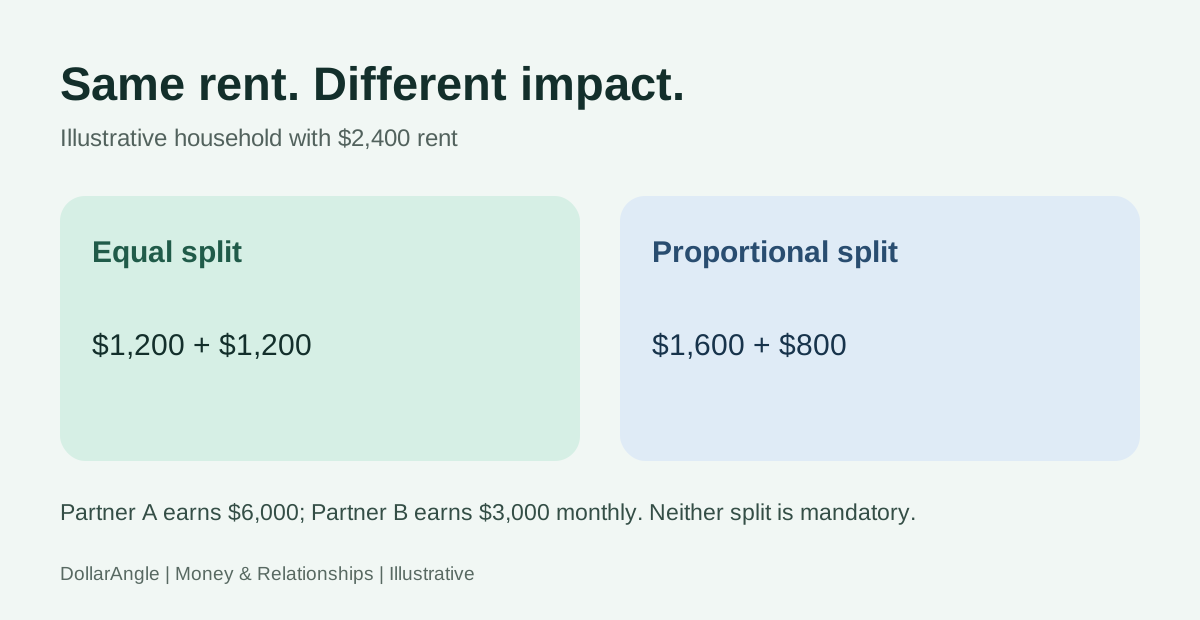
Imagine one partner takes home $6,000 monthly and the other brings home $3,000. Their combined take-home pay is $9,000. With $2,400 in rent, splitting equally means $1,200 each. That’s 20% of the higher earner’s income but 40% of the lower earner’s.
A proportional split would be roughly $1,600 and $800. Neither arrangement is automatically correct. What matters is choosing consciously rather than pretending that equal dollars always mean equal strain.
Rule 2: Build the full household budget before agreeing to the apartment
Rent is only the beginning. List utilities, internet, parking, renter’s insurance, groceries, cleaning supplies, pet expenses, subscriptions and moving costs.
“I thought utilities were included.”
“Only water. Electricity is separate, and so is parking.”
“Then we should work from the total monthly cost, not the advertised rent.”
Keep a cushion for unexpected costs. The CFPB suggests building a budget around income, bills and savings goals.
Rule 3: Decide whose name is on the lease, and what that means
A lease is a legal agreement, not a relationship promise. Depending on local law and the contract, tenants may be responsible for rent even if they break up or move away. Read the actual lease and ask the landlord questions before signing. For unclear legal terms, seek local tenant-rights guidance.
Avoid relying on “we’ll figure it out” as an exit strategy.
Rule 4: Protect the security deposit
Document who paid what. Photograph the apartment’s condition when moving in, keep the move-in checklist, and agree on how any returned deposit will be divided.
If one person provides the entire $3,000 deposit, does that person receive the full refund? What if damage is caused by only one partner? Discuss it now.
Rule 5: Agree on the account system
You can keep personal checking accounts and use a dedicated shared account for rent and other agreed bills. Alternatively, you can transfer money to one person’s account. Either way, spell out payment dates, amounts and who checks that bills were paid.
A shared account is not a substitute for conversation, and you do not need to pool all your money to be committed.
Rule 6: Decide what happens to furniture and other big purchases
If one person buys the sofa and the other buys the refrigerator, note who owns which item. For shared purchases, save receipts and decide how you would split or buy out the asset if one person moved out.
This may feel unromantic. It is much easier than arguing over the couch during a stressful breakup.
Rule 7: Do not turn your partner into your emergency fund
Maintain a personal cash buffer, particularly if moving out would require a deposit, relocation expenses or temporary housing. Also agree on a shared cushion for household emergencies.
The FDIC encourages couples moving in together to discuss budgeting, accounts, debt and shared financial responsibilities. It is sensible to be transparent without losing personal financial independence.
Rule 8: Talk about debt and dependents that affect the shared budget
A partner’s old debt is not automatically yours. But large mandatory payments, child support, family caregiving or irregular income can affect what the household can sustainably afford.
Ask about the obligations that matter to the shared decision, not every personal purchase ever made.
Rule 9: Write an exit plan while you still like each other
Decide how much notice to give, who can remain in the apartment, how joint bills end, and how shared property would be divided. Rules differ by state, and a simple written agreement does not necessarily override a lease or local law.
“Do we really need a breakup plan?”
“Hopefully never. But I’d rather have fair expectations now than make decisions when we’re upset.”
Your 30-minute move-in money meeting
Write down monthly take-home income, total housing costs, agreed split, account/payment method, deposit contributions, furniture ownership, emergency savings and a practical exit plan. Review the plan three months after moving in.
The goal is not to make cohabitation feel transactional. It is to make sure both people feel secure enough to enjoy the home they’re building.
For the bigger picture, read our guide to seven financial conversations every couple should have.
Educational information only. Rental contracts and property rights depend on local law; consult a qualified professional when appropriate.